
Revolutionary Warehouse Automation: Streamlining Modern Logistics
Warehouse automation refers to the use of technology like robots, AI, and conveyor systems to handle tasks such as picking, packing, sorting, and inventory management with minimal human intervention. It’s become a cornerstone for businesses aiming to boost efficiency in supply chains, where manual labor often leads to errors and delays. From large distribution centers to smaller facilities, warehouse automation helps manage growing demands for faster order fulfillment while cutting costs. This overview draws from established systems and real-world applications to explain how it works and what it offers.
Table of Contents
Core Technologies Driving Warehouse Automation
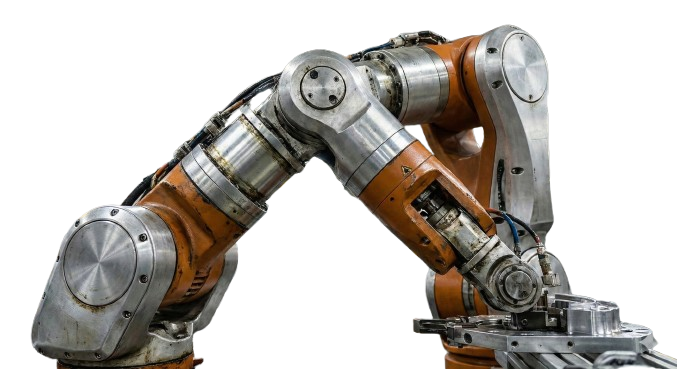
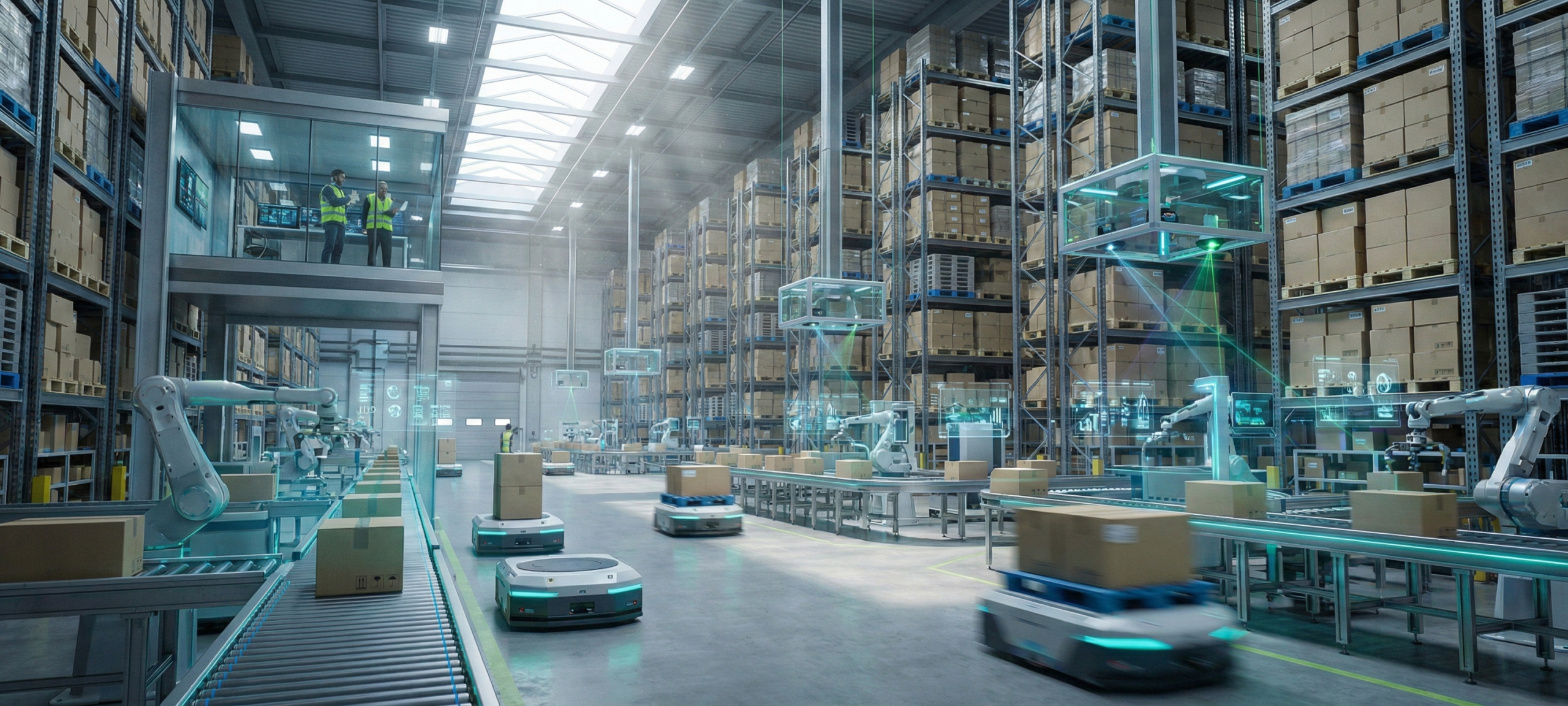
Warehouse automation relies on several key technologies working together. Automated Storage and Retrieval Systems (AS/RS) use stacker cranes to move pallets vertically and horizontally in high-density racks, optimizing space in narrow aisles. Conveyor systems transport goods between picking stations and loading docks, often integrated with sortation tech for high-speed distribution. Autonomous Mobile Robots (AMRs) navigate floors independently to deliver totes or pallets, using sensors to avoid obstacles.
Robotics and AI in Warehouse Automation
Robots play a starring role in warehouse automation, with goods-to-person systems bringing inventory directly to workers via shuttles or lifts, reducing walk time by up to 70%. Pick-to-light and voice-directed systems guide pickers with lights or audio cues for 99% accuracy rates. AI-powered software analyzes data for predictive maintenance, cutting downtime by 30-50% through IoT sensors monitoring equipment health.
Benefits of Implementing Warehouse Automation
Warehouse automation cuts labor costs by handling repetitive tasks, speeds order fulfillment, and improves accuracy to near-perfect levels. It enhances safety by removing workers from hazardous areas like high racks or heavy lifting. Scalability shines during peak seasons, as systems adjust without proportional staff increases. Energy-efficient designs further lower operational expenses over time.
Real-World Examples of Warehouse Automation Systems
Goods-to-person setups like those from OPEX bring bins to operators, slashing picking errors. Pick-to-light guides highlight exact locations, while automated conveyors sort thousands of packages hourly. Drones scan shelves for inventory counts, and robotic arms handle delicate picking in e-commerce hubs. These examples show warehouse automation adapting to diverse operations.
Warehouse Automation Pros and Cons
👍 PROS
Higher throughput and order accuracy.
Reduced labor dependency and injury risks.
Space optimization in facilities.
Data-driven insights for decisions.
Scalable for demand fluctuations.
⚠️ CONS
High upfront investment costs.
Requires staff retraining.
Integration challenges with legacy systems.
Dependency on tech maintenance.
Limited flexibility for unique items.
Warehouse Automation Technologies Table
| Technology | Description | Key Benefit |
|---|---|---|
|
AS/RS Cranes |
Automated pallet movers in racks |
Space savings 50-80% |
|
AMRs |
Self-navigating floor robots |
Flexible transport |
|
Conveyors/Sorters |
Belt systems for goods flow |
High-speed handling |
|
Pick-to-Light |
LED guides for picking |
99% accuracy |
|
AI Predictive Maint |
Sensor monitoring for equipment |
30-50% less downtime |
|
Goods-to-Person |
Inventory to worker stations |
Cuts walking 70% |
Precautions When Adopting Warehouse Automation
Start with pilot projects to test ROI, ensure robust cybersecurity for connected systems, and plan phased rollouts to minimize disruptions. Train staff on new roles focusing on oversight rather than manual tasks.
Environment-Friendly Aspects of Warehouse Automation
Warehouse automation promotes sustainability through energy-efficient robots and AI optimizing routes to cut power use by 25%. Self-charging AMRs and LED lighting in automated zones reduce emissions, while precise inventory cuts waste from overstocking.
Potential Health and Safety in Warehouse Automation
Automation improves worker safety by eliminating heavy lifts and high-reach risks, but requires barriers around moving parts and emergency stops. Noise from conveyors calls for hearing protection in hybrid setups.
Wrapping Up Warehouse Automation's Role Today
Warehouse automation stands as a transformative force in logistics, blending robotics, AI, and software to create efficient, safe, and scalable operations. It addresses modern challenges like e-commerce surges and labor shortages head-on, offering clear paths to cost savings and precision without overpromising. Businesses find value in its ability to handle volume while freeing humans for strategic work.
In practice:
E-commerce giants use it for same-day fulfillment.
Manufacturers gain from just-in-time inventory.
Smaller ops scale affordably via modular systems.
As supply chains evolve, warehouse automation remains a reliable backbone.
Frequently Asked Questions (FAQ)
1. What is warehouse automation?
Technology like robots and AI automating picking, packing, and storage to boost efficiency.
2. What are main warehouse automation benefits?
Faster fulfillment, lower errors, cost savings, improved safety.
3. Examples of warehouse automation systems?
AS/RS cranes, AMRs, pick-to-light, conveyors, goods-to-person.
4. Costs of warehouse automation?
Varies by scale; ROI typically 2-3 years through labor/space gains.
5. Is warehouse automation sustainable?
Yes, reduces energy use 25%, optimizes routes, cuts waste.
6. Future trends in warehouse automation?
AI orchestration, cloud WMS, collaborative robots for flexibility.